
Be the first to review “Pediatric Emergencies and High-Risk Situations Trail Guide” Cancel reply
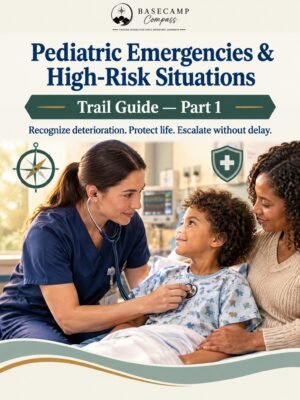
Pediatric Emergencies and High-Risk Situations Trail Guide
A 24-page visual pediatric nursing study guide for respiratory failure, shock, anaphylaxis, peri-arrest care, seizures, trauma, burns, drowning, poisoning, child protection, exploitation, and suicide risk.
- Format: Digital Download (PDF)
$9.99
PDF · Instant download
What You'll Learn
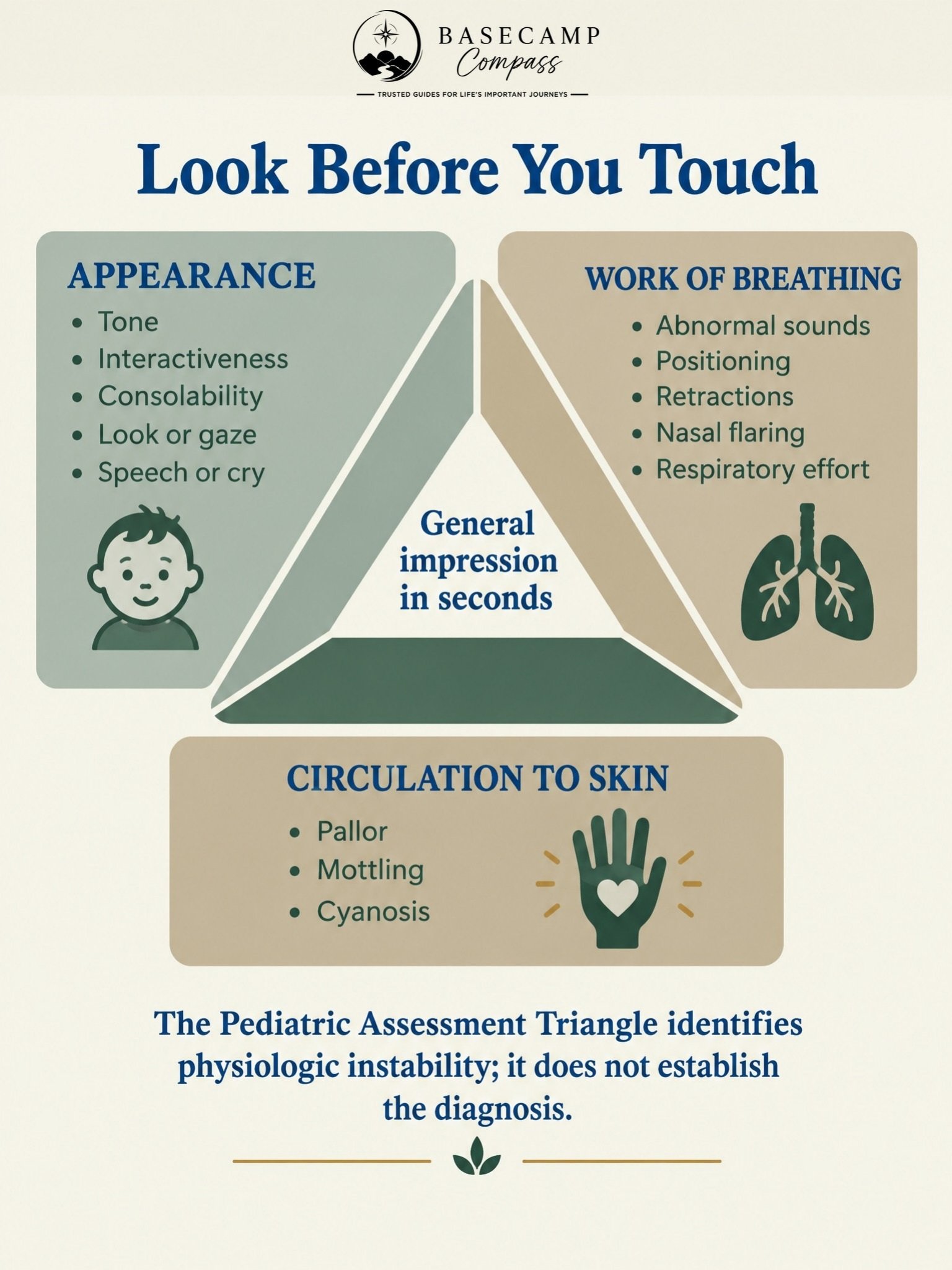
Use the Pediatric Assessment Triangle and ABCDE sequence to recognize instability.
Differentiate respiratory distress from respiratory failure and recognize compensated shock.
Prioritize care for airway obstruction, anaphylaxis, peri-arrest patterns, seizures, trauma, bleeding, burns, and drowning.
Collect critical poisoning information without improvising treatment.
Assess technology-dependent children using baseline status, device function, and backup plans.
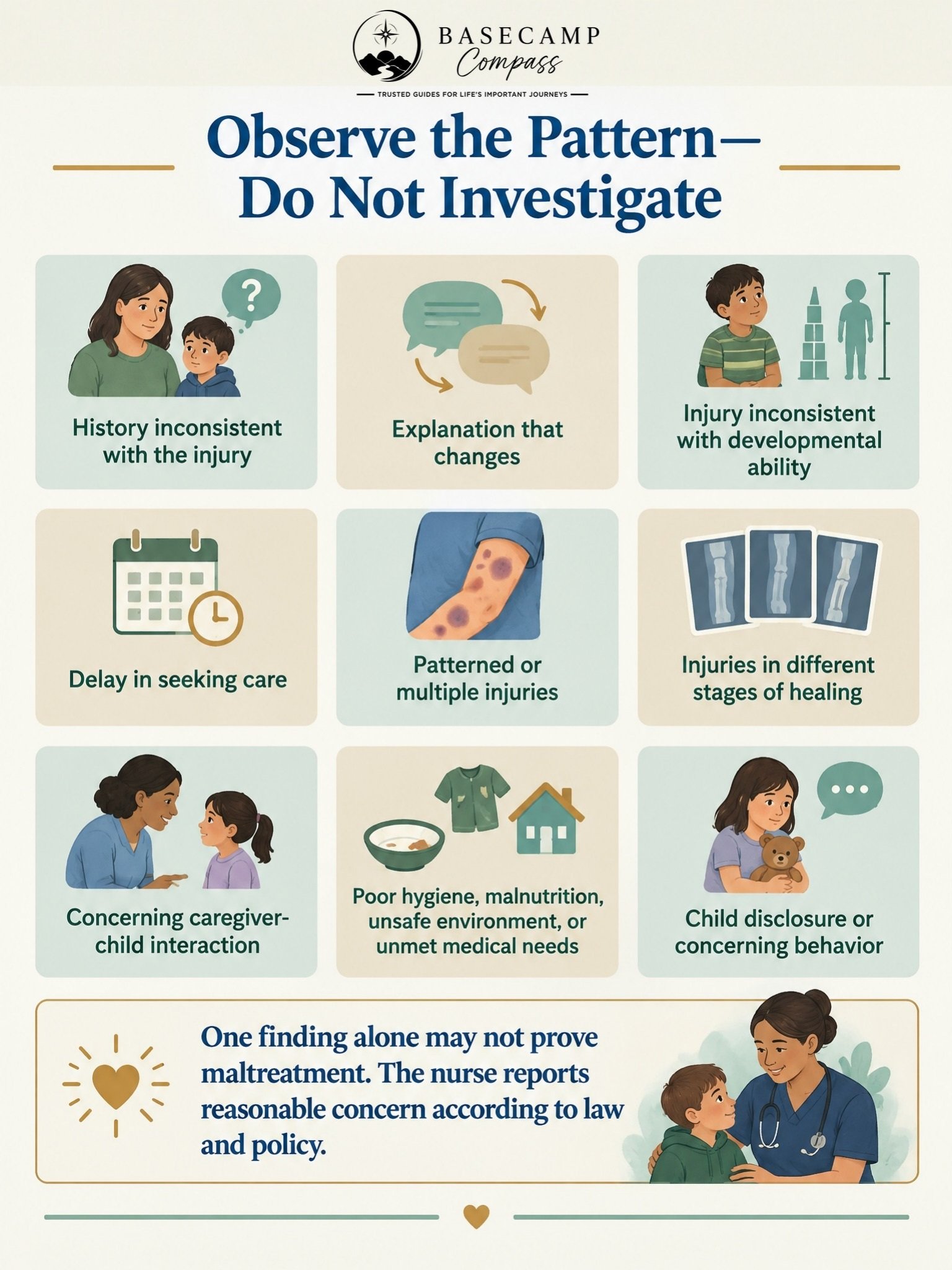
Respond safely to suspected maltreatment, exploitation concerns, and suicide risk.
Table of contents
Why pediatric deterioration can be subtle
Pediatric Assessment Triangle
ABCDE life-preserving assessment
Respiratory distress and respiratory failure
Airway obstruction and anaphylaxis
Pediatric shock and peri-arrest patterns
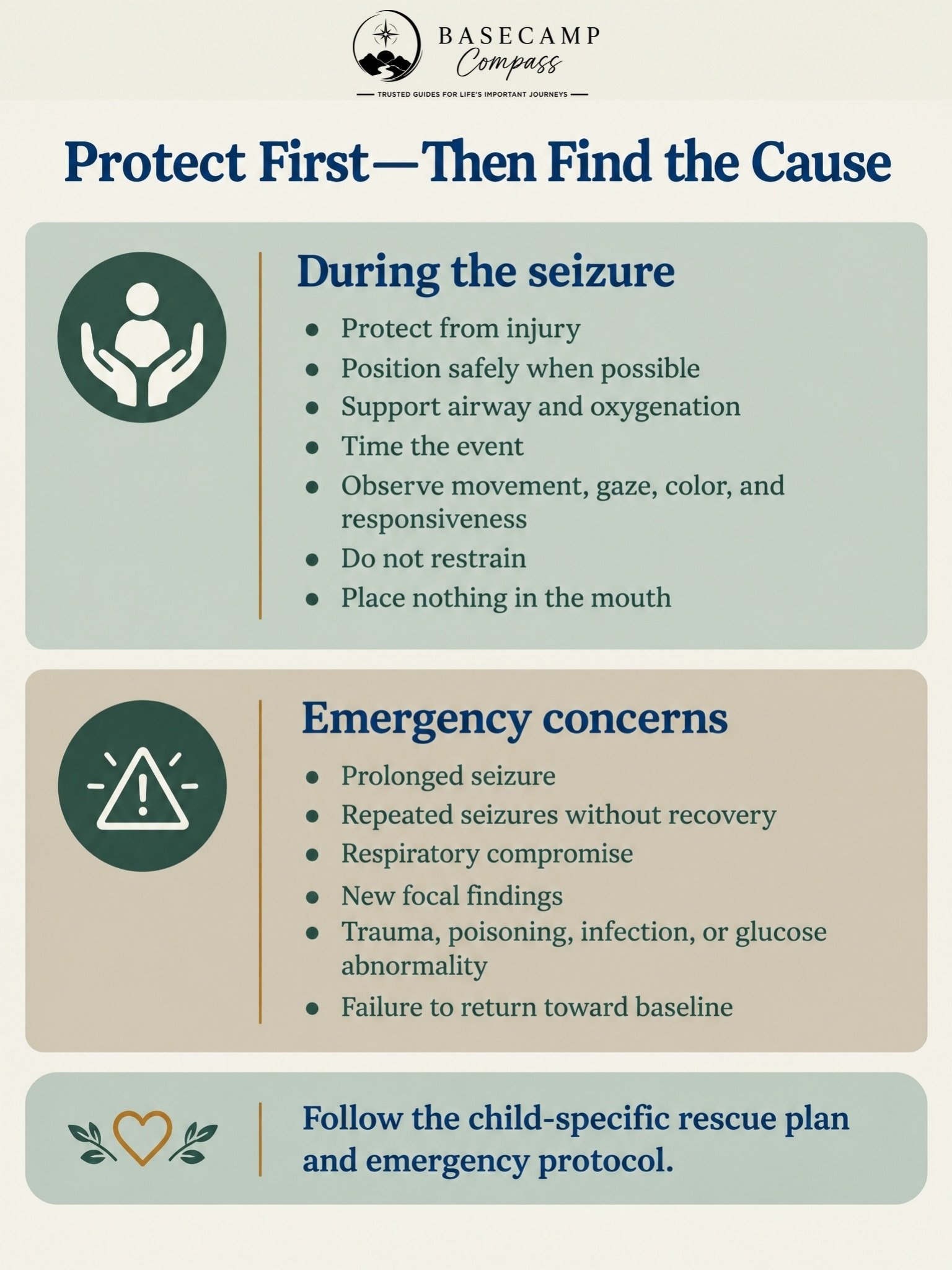
Seizure safety
Trauma, head injury, bleeding, and burns
Nonfatal drowning
Poisoning and exposure assessment
Heat illness and cold exposure
Technology-dependent children
Suspected maltreatment and objective documentation
Specialized forensic care and exploitation concerns
Suicide-risk response
Recognize protect activate and reassess
Recognize deterioration before complete decompensation. This visual Trail Guide organizes pediatric emergencies around a practical sequence: recognize the pattern, protect immediate safety, activate the appropriate response, and reassess. It covers the Pediatric Assessment Triangle, ABCDE priorities, respiratory distress and failure, shock, anaphylaxis, peri-arrest care, seizures, trauma, bleeding, burns, drowning, poisoning, temperature emergencies, technology-dependent children, suspected maltreatment, exploitation concerns, and suicide risk. This is a study companion and does not replace assigned course materials, current BLS or PALS guidance, poison-control instructions, facility policy, or clinical judgment.
How It Works: Your Learning Journey
LEARN
The Guide Teaches The Journey.
REMEMBER
Reinforce important concepts.
CHALLENGE
Test your knowledge and build confidence.

Campfire Challenge Preview
Sample Challenge Questions
Reviews
There are no reviews yet.